If your living room feels like it shrinks every time you bring a new piece of furniture home, I get it. Small spaces can be genuinely frustrating. But here’s what I love about them: a small living room doesn’t need more square footage, it just needs smarter choices. The right mirror, a lighter color palette, or a sofa that actually fits the room can change how the whole space feels.
I put together these 17 small apartment living room ideas to be the kind of list I’d want when I’m stuck: practical, easy to copy, and not dependent on a renovation or a huge budget. Every idea explains why it works and how to recreate it, so you can skip the guesswork and pick what suits your space. Grab your favorites, try one or two this weekend, and I promise your room will start to feel lighter, calmer, and a lot more like you.
1. Create a Statement Gallery Wall
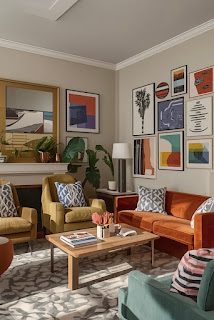
A gallery wall is the easiest way I know to add personality to a small living room without giving up a single inch of floor. Because everything lives on the wall, the room stays open, and your eye travels up instead of stopping at the furniture. That’s also why it makes the ceiling feel taller than it really is.
Before you hammer anything in, lay your frames out on the floor and move them around until it feels balanced. I’d keep about two inches between frames and aim for the middle of the whole arrangement to sit around 57 inches from the floor, which is roughly eye level. Mixing frame sizes is what makes it look collected, but sticking to one or two frame colors keeps it from turning messy. If you’re nervous about the layout, cut paper templates and tape them up first. Abstract prints mixed with a few simple line drawings work really well in a space this size.
If you’d like to start your own gallery wall, these are the pieces I’d browse first:


2. Go Neutral with Warm Textures

Neutral rooms get a bad reputation for being boring, but in a small space they’re doing a lot of quiet work. Soft beiges and creams bounce light around, so the walls seem to sit a little further back than they really do. The trick is to keep the colors calm and let texture carry the interest.
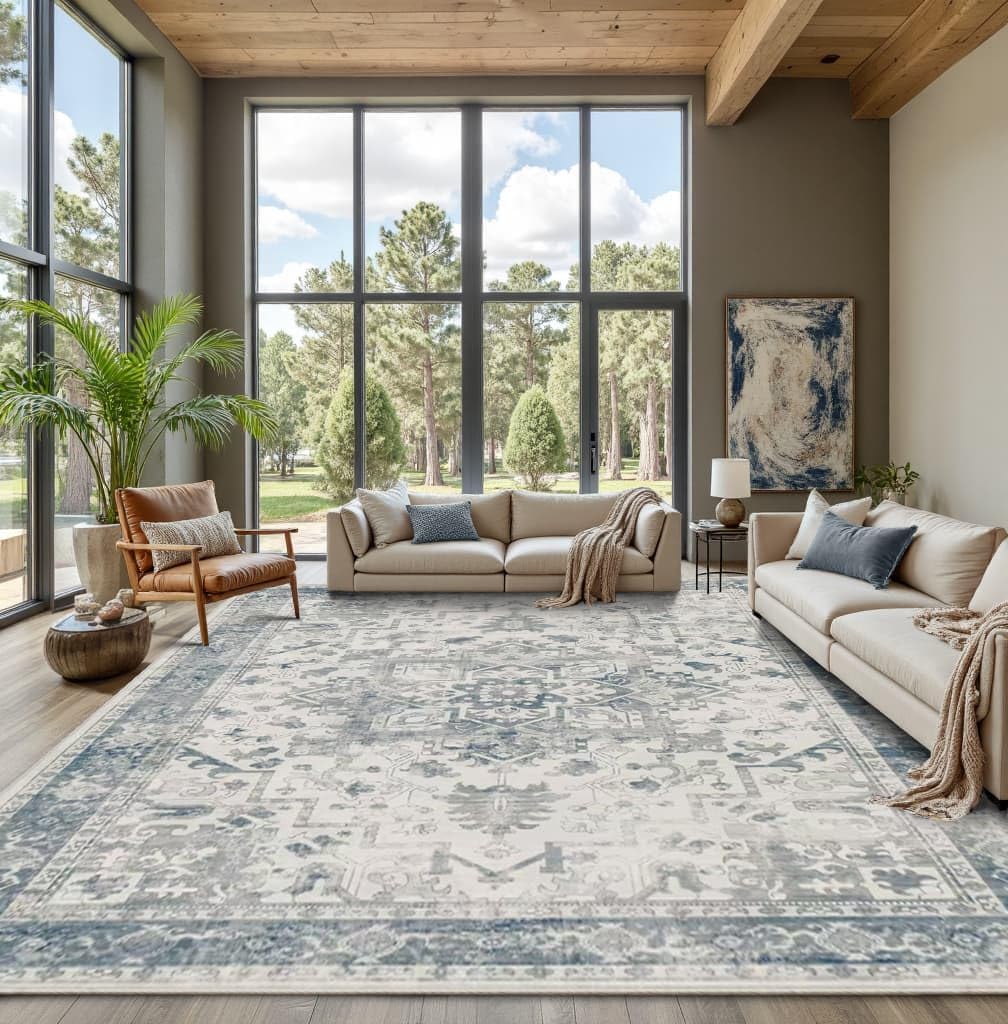
I’d go for warm neutrals like oat, sand and cream rather than cool grays, which can make a small room feel chilly. Then layer at least three textures, for example a linen sofa, a jute or woven rug and something wooden on top. Hang your curtains close to the ceiling and let them stretch a little wider than the window, so the wall looks taller. And if your rug is big enough for the front legs of the sofa to rest on it, the whole seating area pulls together and looks bigger.
Here’s where I’d begin if you want to bring this warm, layered look home:


3. Add a Pop of Color with a Sofa

If your walls and rug are already neutral, a colored sofa is the simplest way to give the room a focal point. One strong piece is easier on the eye than five medium ones fighting each other, which is exactly why it works so well in small spaces. Deep green, like the velvet in this photo, feels rich without being loud.
A few things I’d keep in mind: choose a loveseat or a compact sofa so the color doesn’t swallow the room, and pick one with visible legs so you can see a bit of floor underneath. Keep the walls light and repeat the sofa color just once more, maybe in a cushion or a small plant, so it feels planned rather than random. Velvet catches the light and changes shade through the day, which is a nice bonus. If you can, order a fabric swatch first, because colors look very different on a screen than they do in your own living room.
Ready to give your sofa the spotlight? Have a look at these:


4. Use an Accent Wall for Depth

An accent wall gives a small room something to look at. Instead of everything sitting on the same flat surface, one deeper color creates a sense of distance, and that makes the space feel more layered. Warm terracotta is a great choice because it’s earthy and cozy without going too dark.
I’d pick the wall you see first when you walk in, usually the one behind the sofa, and skip the wall with the window. Keep the other three walls light so the color has room to breathe. If you rent, peel and stick wallpaper is a good way to try the look without committing to paint. Whatever you choose, test a sample on the wall and check it in the morning and again in the evening, because terracotta can lean orange or pink depending on the light. A green sofa or a big leafy plant looks beautiful against it.
A few things I’d pair with this earthy accent wall:


5. Mix Patterns for a Designer Look

Mixing patterns sounds risky, but it’s what makes a room look put together over time instead of bought in one go. The secret is that the patterns don’t have to match, they just have to get along, and that comes down to a shared color palette and different scales.
Start with a large-scale pattern, usually the rug, then add a medium one like a printed cushion and a small one like a subtle stripe or texture. Three patterns is plenty for a small living room. Keep at least one color in common across all of them, and give your eye a place to rest with a few solid pieces. A glass coffee table is really useful here because it doesn’t compete with the pattern on the rug underneath. If you’re unsure, start with cushions, since they’re the cheapest thing to swap out if it doesn’t feel right.
Want to try this pattern play yourself? Start with these:


6. Use Mirrors to Expand Space

A mirror is probably the most useful thing you can add to a small living room. It reflects light and the view, so the room seems to continue past the wall. It’s a small trick, but you notice the difference the moment it’s up.
Placement matters more than size. Hang it opposite or beside a window so it catches daylight, and think about what it will reflect before you commit. A plant or a tidy bookshelf looks lovely doubled, a pile of laundry doesn’t. Aim for the center of the mirror to sit around eye level, and go bigger than feels comfortable, since a tiny mirror mostly just reads as decor. A slim console table underneath gives you a spot for keys and a small lamp, and a gold frame adds a little warmth. Leaning a large floor mirror against the wall is a good no-drilling option too.
If you’re ready to bounce a little more light around, these are worth a peek:


7. Choose Multi-Functional Furniture

In a small living room, every piece of furniture needs to earn its spot, and the ones that do two jobs earn it twice. A storage ottoman is a footrest, an extra seat and a hiding place for blankets all in one, which means fewer things sitting out around the room.
Before buying anything, ask yourself what you actually struggle with. If it’s clutter, look for a lift-top coffee table or a bench with a hidden compartment. If it’s hosting, a foldable side table you can tuck away is more useful. A modular sofa is worth a look if you move often, because you can rearrange it for a new layout. Measure your doorways and the walk space around each piece before you order, since multi-functional furniture can be heavier and bulkier than it looks. I’d pick two or three pieces like this rather than filling the whole room with them.
These smart pieces do double duty, and I think you’ll love them:
8. Keep It Minimal and Clean

A minimal living room doesn’t have to be empty or cold. It just means every item is there on purpose. Less visual noise gives your eyes fewer places to stop, and that’s what makes a room feel bigger and calmer.
I’d start by clearing the surfaces you see the most, like the coffee table, the TV stand and the shelves, and putting back only what you love or actually use. Closed storage does a lot of the work here, so a TV unit with doors or drawers is a good investment. Leave a little empty space on each shelf on purpose, because that breathing room is part of the look. Keep the colors quiet, with a neutral rug and simple lighting, and try a one in, one out rule: if something new comes home, something else leaves.
For a calmer, clutter-free room, here are a few finds I’d look at:
9. Let Natural Light In

Nothing makes a small room feel bigger like daylight. A bright room feels open and airy, while the same room with dark, heavy curtains can feel like a cave. If you have a window, protect that light.
Swap heavy drapes for sheer curtains and hang the rod high and wide, so the fabric sits beside the window instead of covering the glass when it’s open. Keep tall furniture like bookshelves away from the window, and wash the glass now and then, because dirty windows block more light than you’d think. Light colors help the light bounce further, so a flatweave rug and a light wood coffee table work well here. If you need privacy, a sheer layered with a thin blind gives you both.
Want to soften your windows and let the sunshine in? Take a look at these:
10. Add Plants for Freshness

Plants make a room feel alive, and in a small living room they do something extra: they add height and softness without taking up much space. A tall plant in the corner pulls your eye upward and fills a spot that would otherwise feel bare.
If you’re new to plants, be honest about the light you have. A fiddle leaf fig wants bright, indirect light and can be fussy, so if your room is on the dim side, a hardier plant or a good faux one is the smarter pick. Group plants in odd numbers and vary the heights by putting some on a plant stand. Choose pots in a similar material or color so everything feels like a set. A pretty watering can that lives on a shelf is useful and doubles as decor.
Ready to bring a little green indoors? These are a good place to start:
11. Use Round Furniture for Flow

Sharp corners are easy to overlook until you’re squeezing past a coffee table every single day. Round furniture gets rid of that problem. You move around it more smoothly, so a tight room feels easier to walk through.
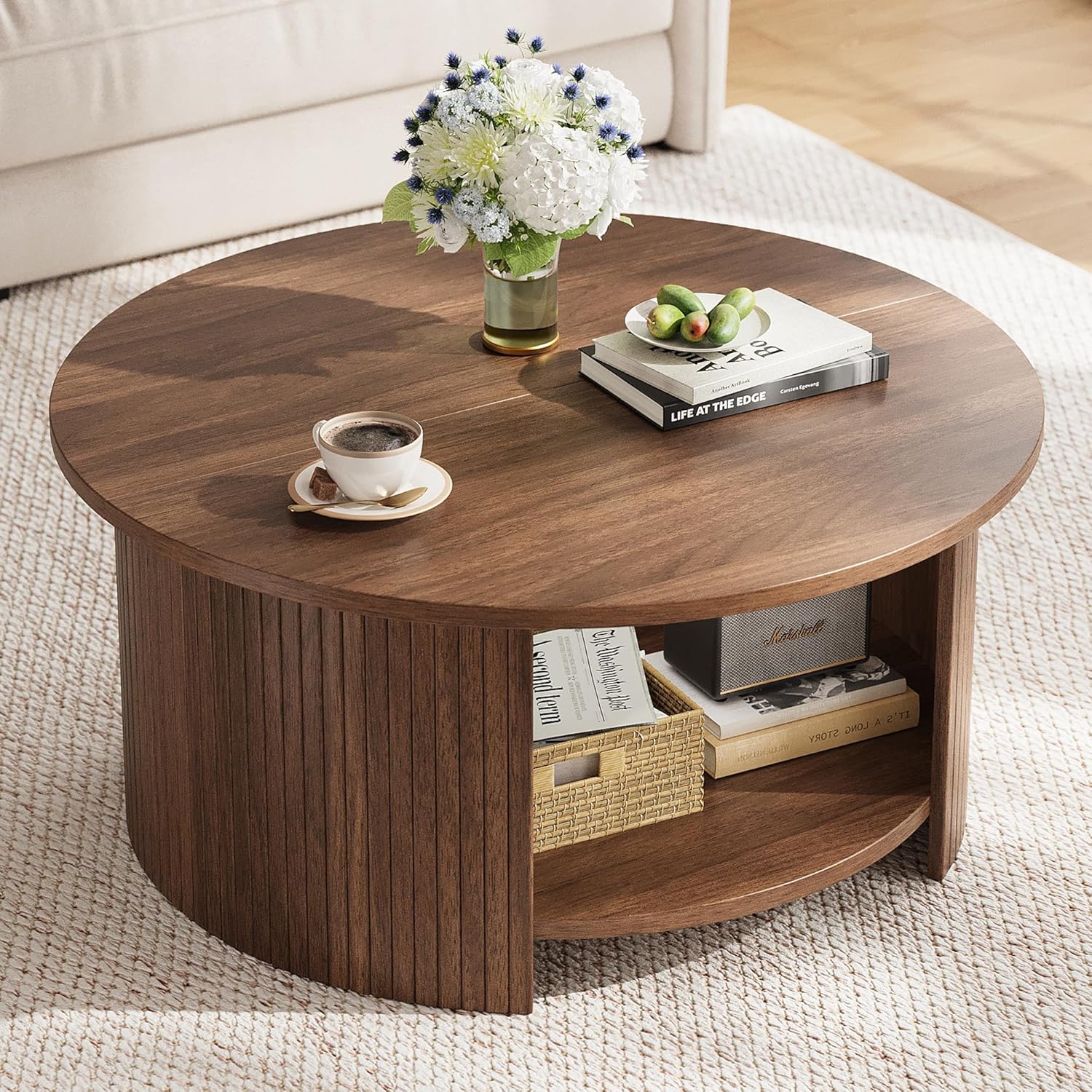
The easiest swap is a round coffee table in place of a rectangular one. Leave roughly 14 to 18 inches between the table and the sofa, so you can reach your drink and still stand up comfortably. A round pouf can slide under the table when you don’t need it, and a curved accent chair softens the straight lines of the sofa and walls. You don’t need to replace everything. One or two curved pieces plus a rug with soft edges are enough to change how the room flows.
If curves feel right for your room, these round pieces might become your new favorites:
12. Layer Lighting for Ambience

One ceiling light in the middle of the room is the fastest way to make a living room feel flat. Lighting affects how spacious a space feels, and layering different sources adds depth, so the corners don’t disappear into shadow.
I like to think in three layers: a main light overhead, lamps at different heights for cozy pockets, and something to highlight a spot, like a small lamp on a bookshelf. Use warm bulbs, around 2700K, since cool white can make a living room feel like an office. A chandelier or pendant works well when it’s the right scale for the room. Put lamps in the corners and on shelves to fill the dark spots, and add a dimmer if you can. In the evening, switching off the overhead light and using only lamps makes the room feel calmer and a lot bigger.
Here’s a peek at the lighting I’d layer in to get that warm glow:
13. Go Vertical with Storage

When floor space is limited, the only direction left is up. Vertical storage keeps things off the floor and gives you somewhere to put books, baskets and decor without adding bulk. It’s also a nice way to draw the eye upward.
A tall, narrow bookshelf is perfect for this, especially in a corner or beside a window. Anchor it to the wall for safety, particularly if you have kids or pets. Use woven baskets on the lower shelves to hide the everyday mess like remotes, chargers and throw blankets, and keep the upper shelves for a few books and decor you love. Leaving a few gaps stops it from feeling heavy. Try to keep the shelf in a similar tone to the rest of the room, so it blends in instead of taking over the wall.
Short on floor space? These are the storage picks I’d browse first:
14. Use a Cohesive Color Palette

The quickest way to make a small room look messy is to use too many colors. Sticking to two or three main colors helps everything feel connected, so the space reads as one calm picture instead of a lot of separate things.
A rule designers often use is 60-30-10: about 60 percent of the room in a main color (walls and larger pieces), 30 percent in a second color, and 10 percent in an accent. Start from your biggest item, usually the sofa, and pull the other colors from there. Matching cushion covers, a neutral rug and a few vases in the same tones will tie it together. If you’re not sure it’s working, take a photo of the room. Odd pieces stand out immediately in a photo, which makes it much easier to spot what doesn’t belong.
To pull your palette together, these are easy pieces to build around:
15. Add Texture for Depth

If a room has the right colors but still feels flat, it’s usually missing texture. Texture adds richness and depth without adding more stuff, which is a big deal when you don’t have space for extra furniture.
Mix at least three fabrics, for example a velvet cushion, a chunky knit throw and a woven rug. Keep the colors close to each other so the texture is what stands out, not the color. A textured fabric sofa gives you a good base to build on, and a throw draped over one arm makes the room look lived in. I’d also swap textures with the seasons, lighter linens in summer and heavier knits in winter, since it’s an easy way to refresh the room without buying anything big.
If you’re craving that cozy, touchable feel, you might like these:
16. Keep Furniture Low Profile

Low furniture changes the proportions of a room. When the sofa and tables sit close to the floor, there’s more empty wall above them, and that space makes the ceiling look higher than it is. It works especially well in rooms with lower ceilings.
Look for a sofa and coffee table with a lower seat height and slim legs, so you can see the floor underneath. Hang your art a little lower than usual so it relates to the furniture, and add floor cushions when you need extra seating, since they tuck away easily. One honest note: very low seats can be harder to get up from, so try them out if you can, especially if you’ll have guests of different ages. Keep the tallest pieces on one side of the room instead of spreading them around.
For that low, airy look, here are a few pieces worth a look:
17. Personalize with Art & Decor

This is the part that makes a small living room feel like yours. Once the layout and furniture are settled, the little personal touches are what stop it from looking like a catalog page. In a small space, fewer and more meaningful things will always beat more and generic.
Choose a few things you truly love, like a framed print set, a lamp with a soft shade or one interesting statement piece. Group items in threes on a surface and leave some empty space around them. If you have travel photos, a family piece or something handmade, display that before buying anything new. Edit as you go, because a curated shelf looks intentional while a crowded one just looks like clutter. When the room reflects your taste, it feels bigger and more comfortable at the same time.
Ready to add your own personal touches? Here are some I’d start with:
✨ You did it!
Designing a small living room doesn’t mean compromising on style. With the right mix of space saving furniture, smart layouts, and cozy decor, you can create a space that feels both functional and stunning.
👉 Save this post for later and start transforming your space one idea at a time.
Pair these ideas with a TV wall idea that fits the scale of the room, or see how a similar approach works in a studio apartment.
