You know that feeling when you’ve cleaned your bedroom, stepped back to admire it, and still thought, Why does this not feel clean? I’ve had that happen more times than I’d like to admit. The floor can be spotless and the laundry can be away, but a room can still feel strangely crowded. For me, the difference usually comes down to the little things my eyes keep noticing. If your bedroom feels the same way, these are the changes I’d try first.
1. Too Much Visual Clutter, Not Actual Dirt
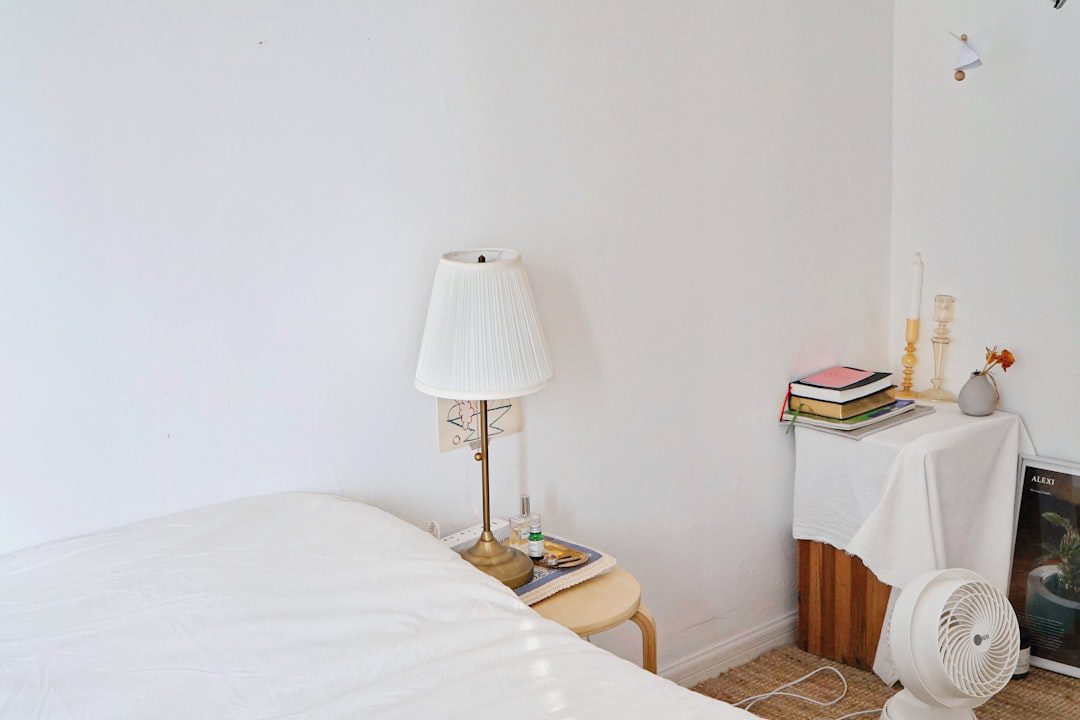
One of the first things I look at is my nightstand. It can be completely tidy, but if there’s a lamp, a book, a candle, a water glass, hand cream and a charging cable all sitting there, my eyes still read it as busy. Nothing is actually dirty; there’s just too much going on in one small area.
When this happens, I like to clear the whole surface and put back only the two or three things I genuinely use. It’s surprising how much calmer the room feels afterward. I’d try this before doing another round of cleaning, because sometimes what your bedroom needs is editing rather than scrubbing.
2. Every Surface Has Become a “Landing Spot”

I have a few surfaces in my home that somehow become the place where everything lands. A receipt comes in, a hair tie gets tossed down, yesterday’s earrings stay there, and suddenly the dresser has a little collection of things that don’t really belong together. I can straighten that pile and still feel like the room is messy the next morning.
What helped me was giving those repeat offenders an actual home. I keep a small dish for tiny things and a proper spot for papers instead of letting them live on the nearest surface. If you have one particular corner that keeps becoming a dumping ground, I’d fix that spot first rather than blaming yourself for not cleaning enough.
3. Your Storage Is Mismatched or Half-Hidden
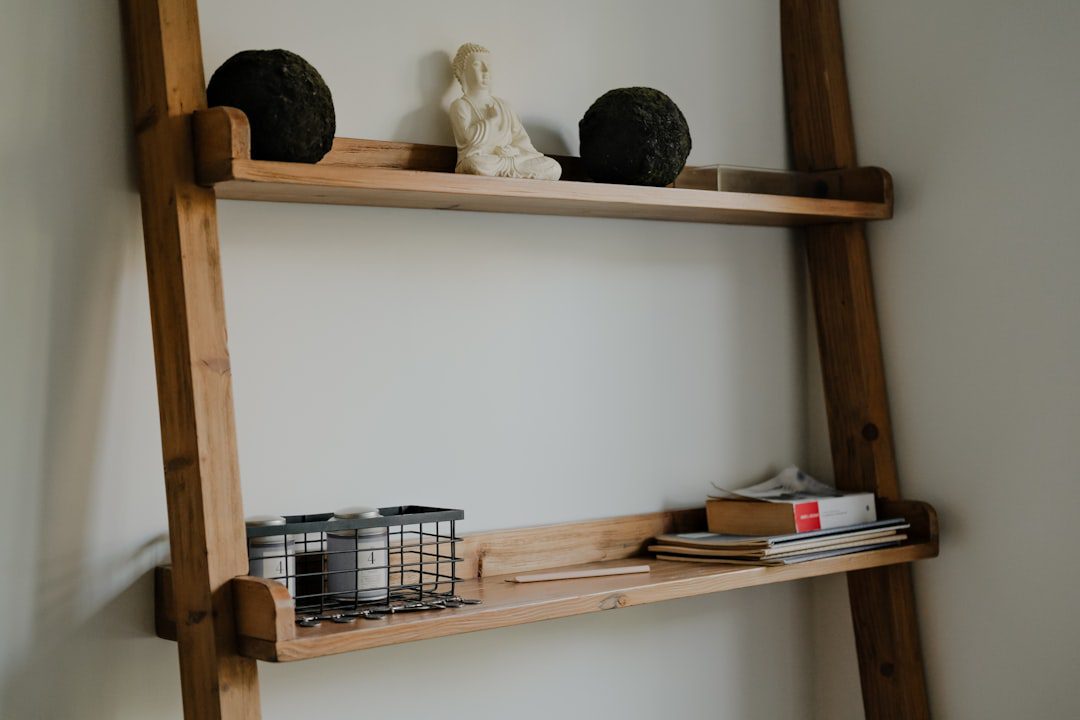
This one is easy to overlook because technically everything is stored. But I’ve noticed that a shelf with three different kinds of boxes, a bright plastic bin and a couple of baskets can still make me feel like I need to tidy up. The storage itself becomes part of the visual clutter.
I’d start by grouping similar things together and, where possible, using storage that looks like it belongs in the room. You don’t have to buy a whole new set of baskets either; even turning labels inward or moving mismatched boxes into a cupboard can help. Sometimes making the storage quieter is all it takes to make the bedroom feel more finished.
4. Your Bed Isn’t Actually “Made,” Just Covered

I used to think pulling the duvet up and throwing the pillows on top counted as making the bed. It technically does, but the room never had that lovely “everything is in place” feeling afterward. Since the bed is usually the biggest thing you see, even a little bit of rumpling can make the whole bedroom look unfinished.
Now I take an extra minute to straighten the sheets, fluff the pillows and fold a blanket at the end. I’m not trying to make it look like a hotel every day; I just want it to look intentional. If your bedroom still feels messy after you’ve cleaned it, I’d honestly start with the bed because the difference is almost immediate.
5. Cords and Chargers Are Quietly Everywhere

Chargers are one of those things I barely notice until I finally put them away. Then I look at the nightstand and wonder why I left a black cable snaking across it for so long. A few cords around the bed can make an otherwise lovely room feel surprisingly unfinished.
I’d try giving your chargers one little home instead of letting them spread across the room. A simple cable clip beside the bed, a small box or even a drawer with an opening for the charger can make a huge difference. You don’t need to hide every wire perfectly; you just want to stop them from becoming part of the room’s permanent scenery.
6. Your Lighting Is Working Against You

This is something I didn’t really appreciate until I changed the bulb in my own room. A bright overhead light makes every little thing stand out, including the things I wish it wouldn’t. Suddenly the chair, the laundry basket, the bedside table and every corner seem to be asking for attention at the same time.
I much prefer having a warm bedside lamp and softer light in the evening. If you can, try switching to a warm bulb and turning off the big ceiling light when you’re relaxing. It won’t magically remove clutter, but it makes the room feel softer and much more forgiving.
7. You’re Keeping Too Many Small Decorative Items Out

I love little decorative things, so this is probably the hardest one for me. A pretty frame here, a tiny vase there, a candle, a little figurine — individually they all look nice. Put twenty of them around one bedroom, though, and suddenly the room feels like it has no quiet corners.
I’d pick a few favorites and let them have some breathing room. You can always rotate the rest instead of getting rid of things you love. I’ve found that one beautiful object with space around it usually catches my attention much more than a shelf packed from one end to the other.
If your bedroom is clean but still doesn’t feel calm, I wouldn’t start by cleaning it again. Walk in and look at it the way you would if you were seeing it for the first time. What catches your eye immediately? What feels crowded? What could simply be put away, softened or removed?
For me, the biggest difference usually comes from making a few small changes instead of trying to redo the whole room in one afternoon. If storage is the bigger problem, you might also like these hidden storage ideas for small homes, or take a look at these cozy bedroom ideas if you want the room to feel warmer and more relaxing as well.

